Clear, trusted information for people living with sickle cell disease, their families and communities. This information is for general education and does not replace advice, diagnosis or treatment from a qualified health professional.
Sickled red blood cells may break down faster than usual or block small blood vessels. This can cause pain and other health complications. Sickle cell disease is not contagious.
Sickle cell trait is different from sickle cell disease. A qualified health professional can explain test results and what they may mean for you and your family.
Sickle cell disease is passed through genes from parents to children. It cannot be caught or spread through everyday contact.
Sickle cell disease affects everyone differently. Possible complications include pain episodes, anaemia, a higher risk of some infections and problems affecting different organs.
Regular health check-ups, following an individual care plan and knowing when to seek help can all be important. A qualified health professional can advise on care for each person.
Sickle cell disease can be identified through appropriate blood testing. Screening and early diagnosis can help individuals and families obtain information and healthcare support.
With appropriate healthcare, information and support, people living with sickle cell disease can take steps to manage their condition. Regular clinical follow-up, following an individual care plan, recognising warning signs and seeking medical help when needed are important.
Families, schools, employers and communities can support people with sickle cell disease by learning about the condition, avoiding discrimination, respecting individual needs and encouraging appropriate healthcare.
Children and young people may need understanding and support at home, at school and in healthcare settings. A qualified health professional can help families discuss individual needs.
Sickle cell disease may affect pregnancy, learning, work and emotional wellbeing. People deserve respectful support and access to appropriate care, without stigma or discrimination.
Families, schools, employers and communities can make a difference by learning about sickle cell disease, respecting individual needs and challenging stigma.
Seek urgent medical help for severe or worrying symptoms. For personal questions about symptoms, diagnosis or treatment, contact a qualified health professional.

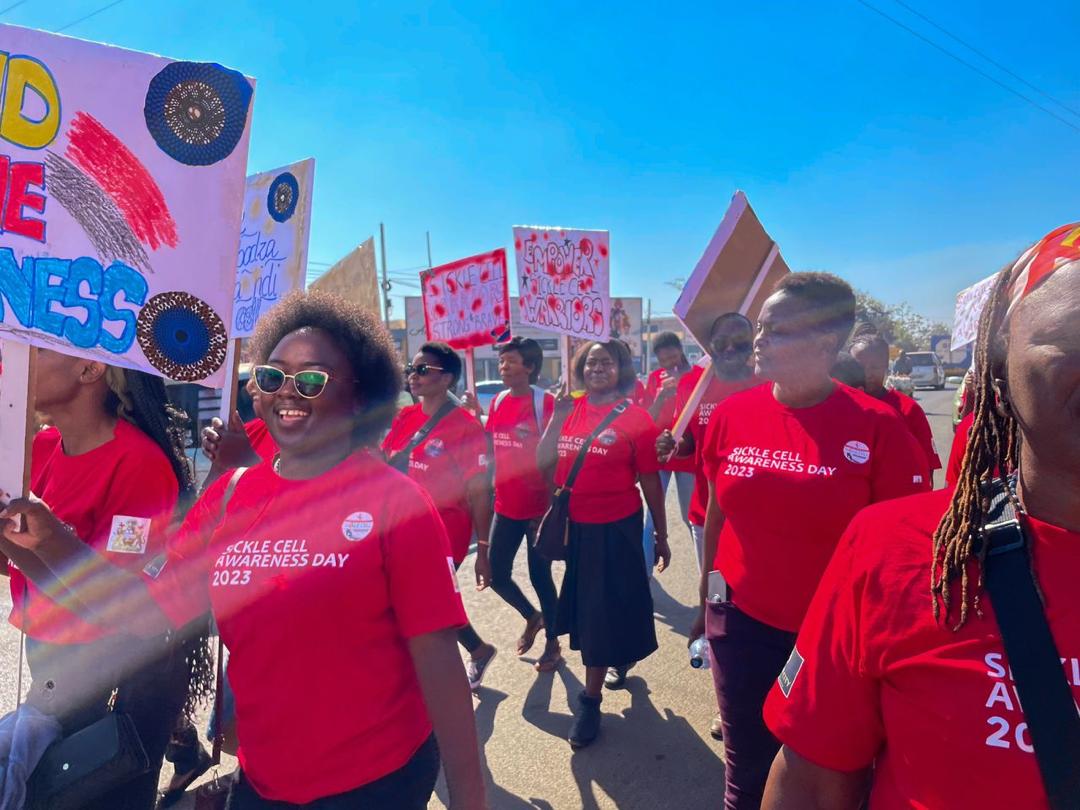
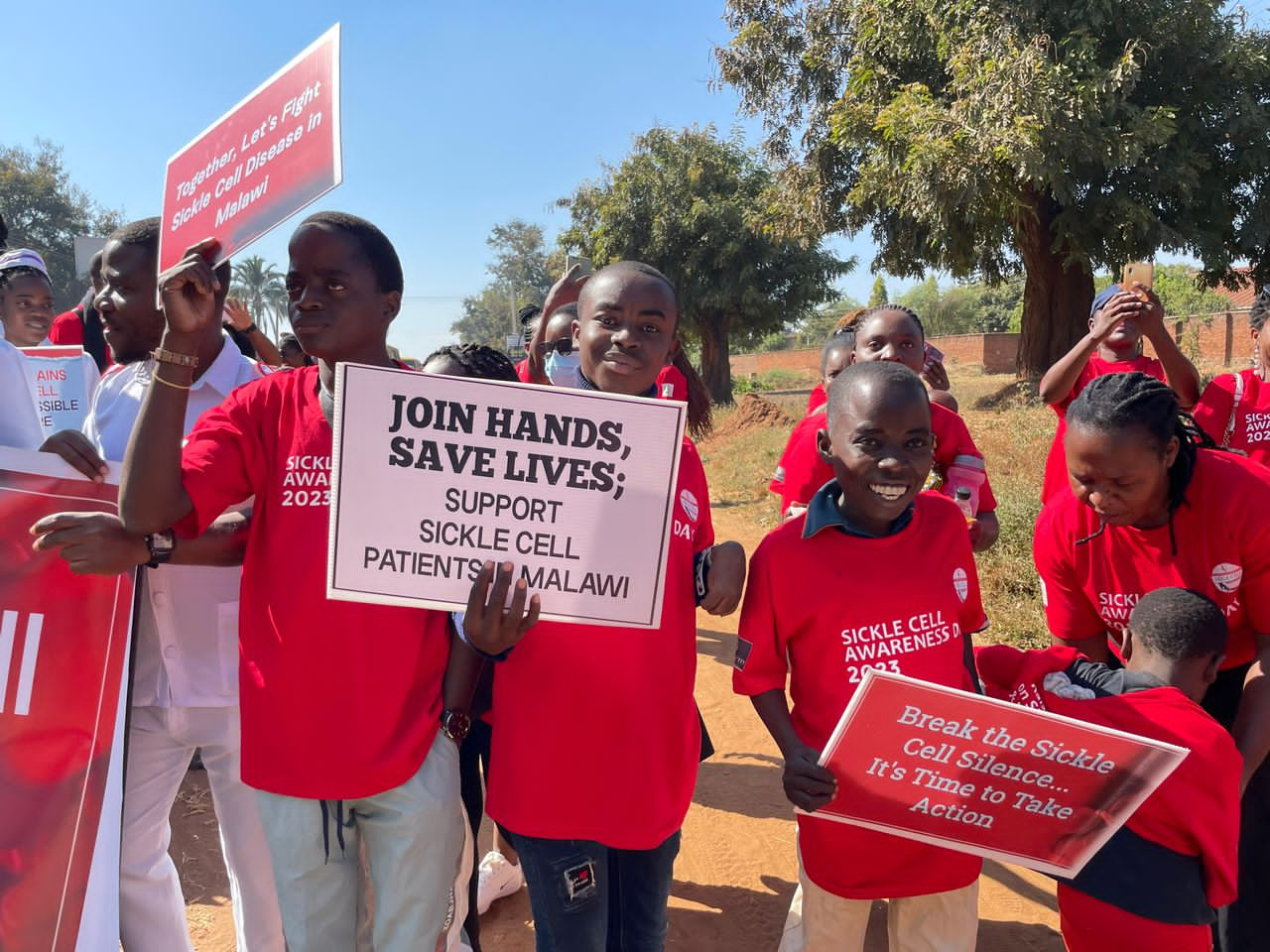
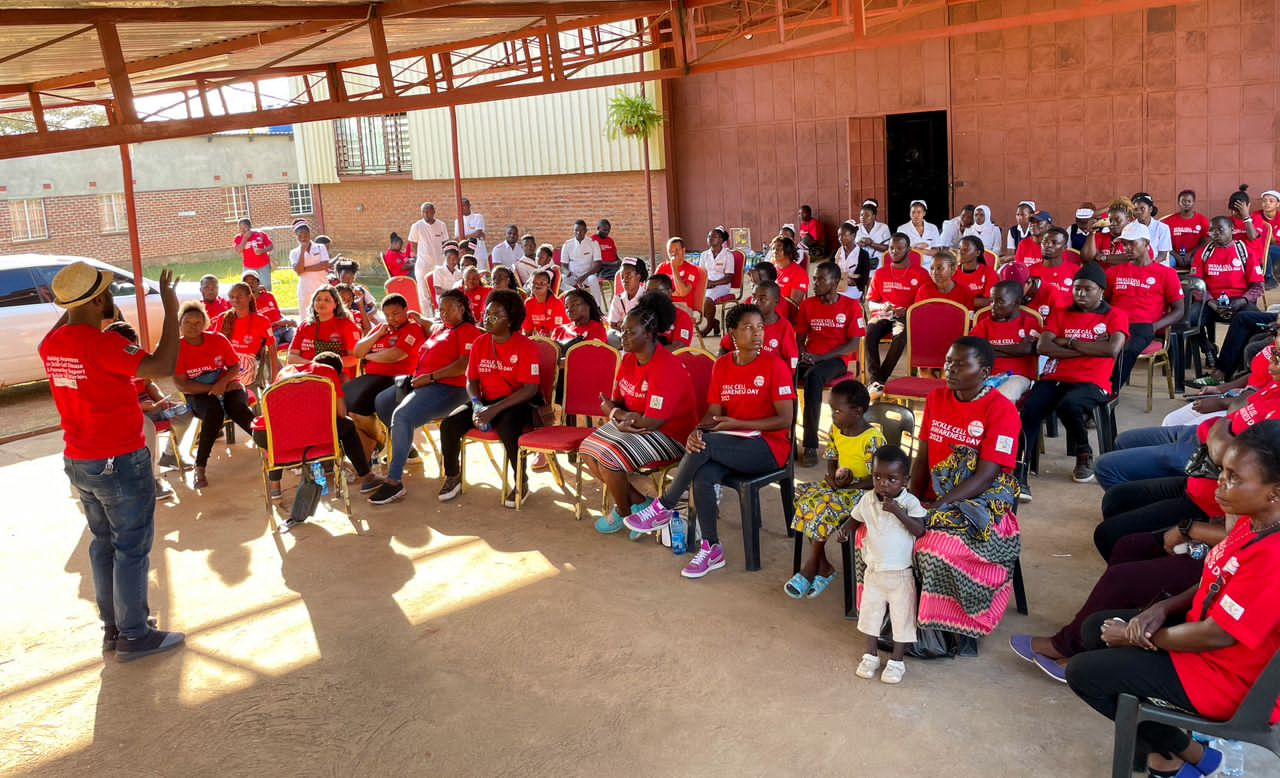
We work with people affected by sickle cell disease, families, health professionals and partners to strengthen understanding and support across Malawi.